23 June 2026
@ University of Deusto
- The Deusto Research Social Impact Label annually recognizes several projects developed at the university for their transformative action and potential social impact on individuals, organizations, the environment, or society as a whole
- Among the initiatives recognized this year are two projects from Orkestra's Energy and Environment Lab related to electricity grids and the social acceptance of renewable energy projects
The University of Deusto has announced the new research projects that have been awarded the Deusto Research Social Impact 2026 label for their positive impact and potential for social transformation. Among those selected are two projects developed by Orkestra's Energy and Environment Lab. The first analyzes the role of electricity grids as facilitators of industrial electrification, and the second delves into the determinants of social acceptance for energy projects in the Basque Country.
Electricity grids for energy transition and competitiveness
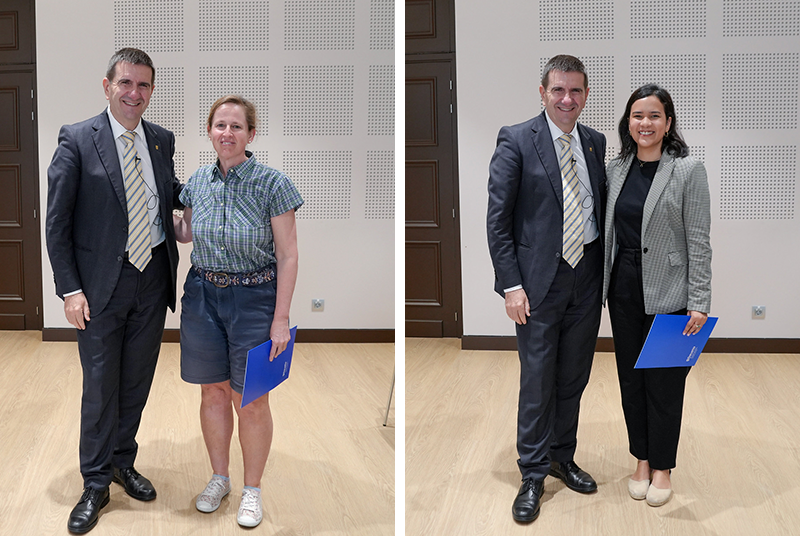
The first of the recognized projects, led by researcher Macarena Larrea, analyzes how electricity grids can facilitate industrial electrification and contribute to the territory's competitiveness. Additionally, it develops new tools to measure the environmental impact of this process and applies them to the case of the Basque Country, aiming to generate useful evidence for decision-making in energy and industrial matters.
The research is characterized by its close collaboration with key stakeholders in the power grid sector, including energy companies, equipment manufacturers, sector associations, and universities. This interaction has allowed for the integration of different perspectives and specialized knowledge to better understand the role that power grids play in the energy transition and territorial competitiveness.
The report The value of electricity grids for the competitiveness of the Basque Country is among the main results of the project. Prepared with the participation of professionals from organisations such as Iberdrola, Red Eléctrica de España, Ormazabal and the Basque Energy Cluster, the report was presented at the Future Power Grids Congress. The research findings have also been disseminated through media coverage and participation in a colloquium organised by Deusto Business Alumni and Iberdrola on the importance of power grids for competitiveness and the energy transition.
Improving the social acceptance of local energy projects
Researcher Stephanía Mosquera leads the second project that has recieved the label, which delves into the factors that condition the social acceptance of renewable energy projects in the Basque Country and offers recommendations to improve their design and implementation.
The research builds upon Orkestra's experience of studying the social dimension of the energy transition, particularly as detailed in the report Social acceptance of local renewable energy projects. This work helped to identify best practices and develop recommendations for public and private developers, with the aim of fostering better integration of these types of projects within the territory.
In addition to contributing to the debate on the deployment of renewable energies in Euskadi, the research has garnered international interest. A delegation from the Environment Committee of the Japan Federation of Bar Associations travelled to Bilbao to learn about the study, which was also presented at the Universidad del Valle in Colombia.
Reinforcing knowledge transfer
With the Deusto Research Social Impact Label, the University of Deusto recognises the contribution of these projects to generating useful knowledge for addressing some of the main challenges of the energy transition.
Furthermore, this recognition will enable continued research into the role of electricity grids in industrial electrification and competitiveness, as well as a more in-depth analysis of the factors influencing the social acceptance of energy projects. This will reinforce the transfer of knowledge to companies, institutions and other regional stakeholders.